Nothing in the history of money has been more diabolically efficient at getting us to spend than a smartphone. It’s an instant-gratification machine for music, games, takeout and catching a ride, anywhere, all the time.

Now, however, your phone can prevent you from burning a hole in your wallet.

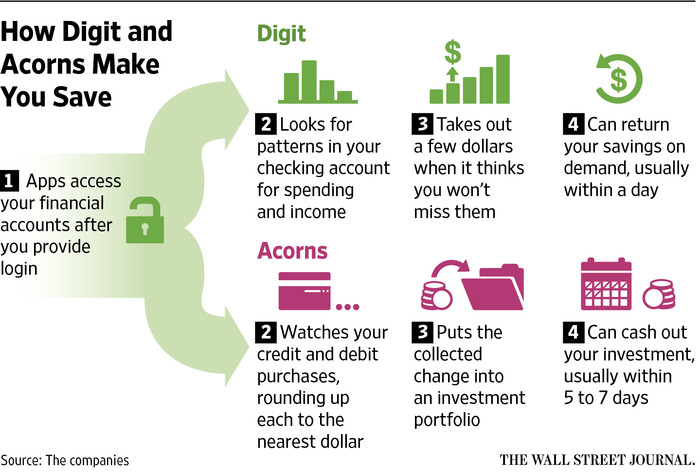
A growing set of apps can help with the self-control that it takes to save money for the future. Apps like Acorns, Digit.co, Level Money and Mint track all the ways you spend to tell you in one glance how to stay on budget. Some even squirrel away extra cash before you blow it.

Apps are key to getting millennials back on financial track. The generation America most likes fretting about—adults under 35—has a savings rate of negative 1.9%, says Moody’s Analytics chief economist Mark Zandi. (The savings rate for everyone 50 and under is also just south of zero.)

But phones are ideal for what behavioral economists, who study the psychology of money, call a nudge: always within reach and can make a game out of guiding us to good choices.

You can read the rest of this article by goinig to the original source: These Apps Can Finally Get You to Save Money – WSJ

The way a financial adviser charges for advice often makes no sense, and it needs to change.

The typical adviser charges absurdly high fees to manage your money, often with mediocre results—but next to nothing to provide financial-planning expertise, which can be hugely valuable.

According to survey data gathered from more than 7,000 advisers by Cerulli Associates, a financial-research firm in Boston, 79% of advisers’ compensation comes from asset-based fees—which may bear little relationship to the services the clients use.

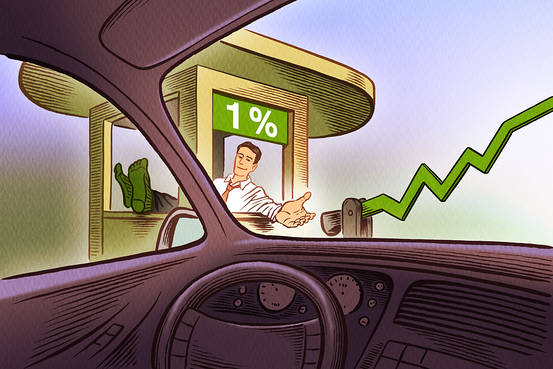
Such charges, typically based on the size of a client’s investment portfolio, vary widely. You might pay as little as 0.25% annually or up to 2% or more. Advisers and analysts estimate that the typical investor likely pays a pinch less than 1%.

But these fees look increasingly bizarre nowadays: For less than 0.1% annually, you can build your own portfolio of exchange-traded funds covering every worthwhile investment in the world. And online “robo adviser” services will manage ETF portfolios for you for 0.25% or less.

Of course, many people require advice that extends well beyond baskets of stocks, bonds or funds: saving for college, managing debt, minimizing income and estate taxes, giving to charity, financing retirement.

That sort of advice can be priceless—yet, oddly, many financial advisers don’t charge separately for it. You pay indirectly, out of the fees you are charged for portfolio management.

This clip of the article on financial adviser fees has been very lightly edited and was originally found at: Why You’re Paying Too Much in Fees – MoneyBeat – WSJ