Facebook Inc. [stckqut]FB[/stckqut] is emulating the playbook of Alphabet Inc., with a new class of stock that keeps the company in the control of its founder so he can continue to make big bets of the type that are paying off on Wall Street.

Like Alphabet’s Google [stckqut]GOOGL[/stckqut] business before it, Facebook is becoming an Internet advertising juggernaut while warning investors that spending is going to increase going forward. Much like Google’s acquisition bets on the likes of YouTube and Android, Facebook is seeing returns on Instagram and has started rolling out virtual-reality products from Oculus VR, though Zuckerberg stressed several times that VR is years from paying off.

Source: Facebook is the new Google – MarketWatch

Facebook [stckqut]FB[/stckqut] has reported its first quarter 2016 earnings with $5.38 billion in revenue and earnings per share of $0.52. Much of the revenue ($5.2 billion) came from advertising — a 57 percent annual increase — of which 82 percent was through mobile. The social networking company now counts more than 1.65 billion monthly active users.

The company’s financial results beat Wall Street analysts’ expectations, which estimated $5.26 billion in revenue and an EPS of $0.40. In the same period a year ago, Facebook missed expectations with revenue of $3.54 billion and an EPS of $0.42.

Facebook’s revenue may have fallen from last quarter, but it’s still up 40 percent from the previous quarter last year. The average revenue per user (ARPU) for the quarter was $3.32, down from last quarter’s $3.73, but it was an increase from the $2.50 a year ago.

Facebook has rolled out quite a few options for businesses, and the company has been named the “undisputed leader in mobile advertising” by mobile analytics company AppsFlyer. According to mobile analytics company Kenshoo, the social networking company’s ad platform holds great appeal for brands. It found that social ad spending increased 8 percent quarter over quarter, improving 86 percent annually thanks to the introduction of Facebook Dynamic Product Ads as well as more inventory on Instagram (including longer videos for advertisers) and other properties.

And the company isn’t done offering more advertising opportunities. It will soon make inventory available within its popular messaging service and also in livestreamed video, seemingly the most recent hotbed of competition as Facebook challenges Twitter’s Periscope for dominance.

In a statement, chief executive Mark Zuckerberg said, “We had a great start to the year. We’re focused on our 10 year roadmap to give everyone in the world the power to share anything they want with anyone.”

This 10-year plan Zuckerberg references is the one he unveiled at this month’s F8 developer conference, which showcased how his company is looking beyond the social network and how it will continue to connect people in more ways.

Source: Facebook reports $5.38 billion in revenue, 79% from mobile advertising | VentureBeat | Business | by Ken Yeung

In recent weeks, speculation has mounted that Amazon.com Inc. [stckqut]AMZN[/stckqut] plans to launch a global shipping and logistics operation that will compete with United Parcel Service Inc. [stckqut]UPS[/stckqut] and FedEx Corp. [stckqut]FDX[/stckqut]

Asked about reports that the company was leasing planes and had registered an ocean freight booking business, Chief Financial Officer Brian Olsavsky downplayed Amazon’s ambitions last month in an earnings call. He said the company was simply looking to supplement its delivery partners — not replace them — during peak periods like the Christmas shopping season

A 2013 report to Amazon’s senior management team proposed an aggressive global expansion of the company’s Fulfillment By Amazon service, which provides storage, packing and shipping for independent merchants selling products on the company’s website. The report envisioned a global delivery network that controls the flow of goods from factories in China and India to customer doorsteps in Atlanta, New York and London. The project, called Dragon Boat, is proceeding, according to a person familiar with the initiative, who asked not to be identified because the information isn’t public.

Source: Amazon Building Global Delivery Business to Take On Alibaba – Bloomberg

Buffalo Wild Wings [stckqut]BWLD[/stckqut] shares fell as much as 11% in after-hours trading on Tuesday after the company reported earnings that missed estimates pretty much across the board.

The fast-food chain posted adjusted earnings per share of $1.73, short of the forecast for $1.77, according to Bloomberg.

Revenues came in at $508.3 million, also missing the estimate for $530.8 million.

The company lowered its forecast for profits this year. It forecast full-year earnings per share in a range of $5.65 to $5.85, missing the projection for $6.10.

Same-store sales — at locations open for at least one year — also fell, by 1.7%.

Source: Buffalo Wild Wings earnings, Q1 – Business Insider

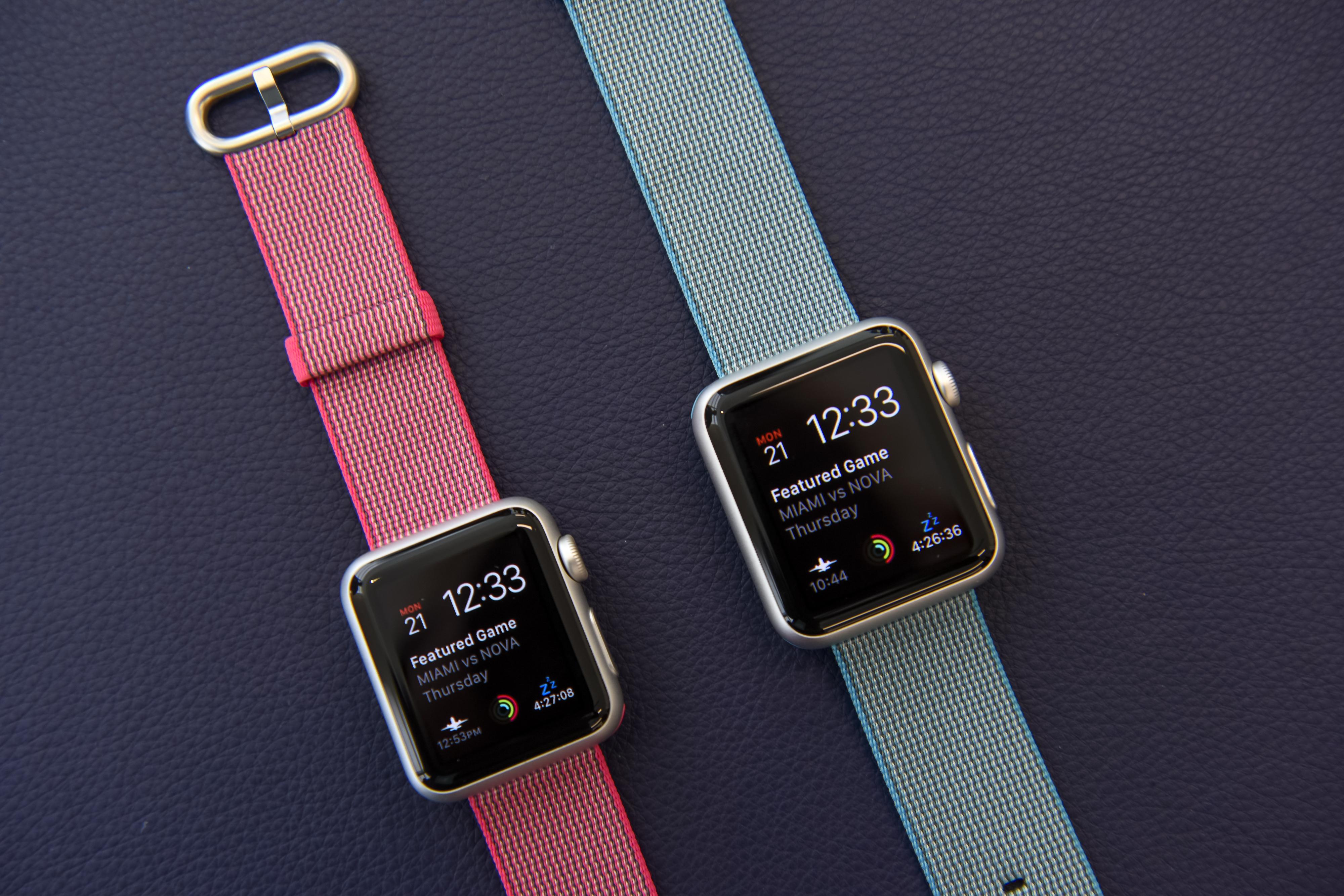
The Apple Watch may not have had a great year, but some people are looking at the bright side: In one noteworthy way–plain old sales–the first year for the Apple Watch was twice as good as the debut of the iPhone.

As the Wall Street Journal pointed out, the Apple Watch sold 12 million units during its first 12 months on the market, roughly double the total of the iPhone when it first went on sale.

Nine years after its 2007 debut, the iPhone is Apple’s most profitable product by far, having raked in almost $52 billion in the first quarter of 2016. For perspective, the iPad was a distant second with around $7 billion. But it wasn’t always clear the iPhone would be such a monster for Apple. The iPhone’s initial high cost as a phone deterred consumers, and the stakes of being an early adopter were much higher since it wasn’t only a new product—it was a new genre of product. Apple only sold six million units during the iPhone’s first 12 months.

Exploring the parallels among the Apple Watch and the iPod and iPhone is interesting, because all three seemed “unnecessary” and overpriced at the time they debuted. But while it’s still early for the Apple Watch, when you look at what features each product provides or problems it solves, the watch doesn’t appear to stack up to the older devices.

Source: How the Apple Watch’s First Year Was Twice as Good as the iPhone’s