The more low-key of L Brands Inc.’s [stckqut]LB[/stckqut] brands is ready to be thrust into the spotlight.

During a Tuesday conference for stock analysts, the Columbus-based retailer and owner of Victoria’s Secret said it is putting more investment into its more than 1,600-store Bath & Body Works chain, including rolling out more White Barn candle shops, the brand it quietly revived last year.

CFO Stuart Burgdoerfer said the remodeled stores are producing a 25 percent increase in sales, so next year the company is looking at 39 new stores with 150 remodels, most of which will have a White Barn.

CEO Les Wexner stressed the importance of finding growth within existing stores and real estate. He talked about being able to change stores to stay with the customers of the day and preserve those real estate investments the company made in new stores 10 to 15 years ago.

“This is way bigger than the Internet,” he said, noting that analysts always ask him about Internet sales. “It’s not as sexy, but to remodel a 10-year-old store and be able to get a 25 percent lift? … 5, 7, 10 percent would be remarkable.”

Source: L Brands plans to invest more in Bath & Body Works, White Barn brands – Columbus – Columbus Business First

Silicon Valley’s armies of disruption are used to certain, and often quick, victory. But in the war for the future of payments, established financial giants aren’t going to raise a white flag.

That was evident last week when J.P. Morgan Chase [stckqut]JPM[/stckqut] lifted the wraps on its revamped Chase Pay service, expected to launch next year. The service will only be available to the bank’s customers, though that is a large base to build from. J.P. Morgan claims about 94 million holders of its credit, debit and prepaid cards.

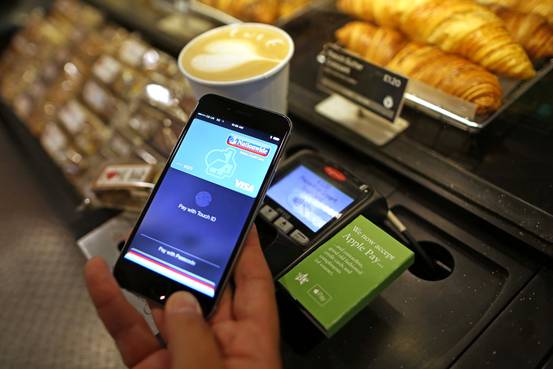
That will increase the competitive pressure for companies like PayPal [stckqut]PYPL[/stckqut] and Square; the latter may go public next month. Those companies are racing to sign up merchants to their own systems, as is Apple [stckqut]AAPL[/stckqut]. It launched its Apple Pay service a year ago. At the time, many expected Apple to quickly dominate the payments sphere, as it has done in many other areas.

But Silicon Valley enthusiasts are likely underestimating the ability of the big banks to defend their turf. The banks have been in a fiercely competitive environment for years, battling each other tooth and nail for market share. And with new regulations putting pressure on many of their businesses, they are incentivized to expand less capital-intensive areas such as credit cards and digital payments.

Source: What Chase Pay Means for Silicon Valley – WSJ

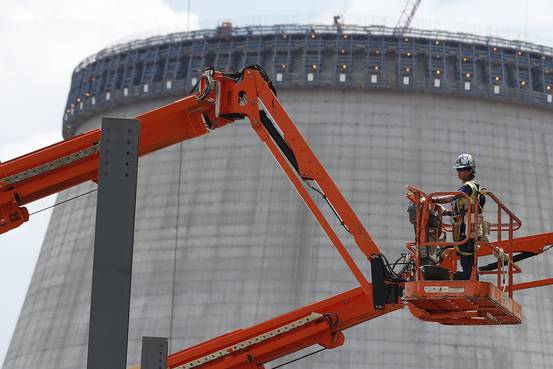
Westinghouse Electric Co. is moving to shore up its nuclear-power business by buying out a construction partner it has blamed for problems at the four reactors now being built in the U.S.

The company said it would pay $229 million to buy the nuclear construction division of Chicago Bridge & Iron Co. [stckqut]CBI[/stckqut] Westinghouse and CB&I had been equal partners in building the massive reactors that Westinghouse designed.

Source: Westinghouse Buys CB&I Division to Beef Up Its Nuclear Business

When Google-parent Alphabet Inc. [stckqut]GOOGL[/stckqut] reported eye-popping earnings last week its executives couldn’t stop talking up the company’s investments in machine learning and artificial intelligence.

For any other company that would be a wonky distraction from its core business. At Google, the two are intertwined. Artificial intelligence sits at the extreme end of machine learning, which sees people create software that can learn about the world. Google has been one of the biggest corporate sponsors of AI, and has invested heavily in it for videos, speech, translation and, recently, search.

For the past few months, a “very large fraction” of the millions of queries a second that people type into the company’s search engine have been interpreted by an artificial intelligence system, nicknamed RankBrain, said Greg Corrado, a senior research scientist with the company, outlining for the first time the emerging role of AI in search.

RankBrain uses artificial intelligence to embed vast amounts of written language into mathematical entities — called vectors — that the computer can understand. If RankBrain sees a word or phrase it isn’t familiar with, the machine can make a guess as to what words or phrases might have a similar meaning and filter the result accordingly, making it more effective at handling never-before-seen search queries.

Source: Google Turning Its Lucrative Web Search Over to AI Machines – Bloomberg Business

Most investors own bonds through mutual funds or exchange-traded funds. But the household sector, including individual investors, still holds nearly $430 billion in corporate bonds, according to the Federal Reserve. If you buy bonds directly, it’s vital to keep trading costs from devouring your income, especially in today’s world of scrimpy interest rates.

Lawrence Harris, a finance professor at the University of Southern California and former chief economist at the Securities and Exchange Commission, has just completed a study of how expensive corporate bonds are to trade.

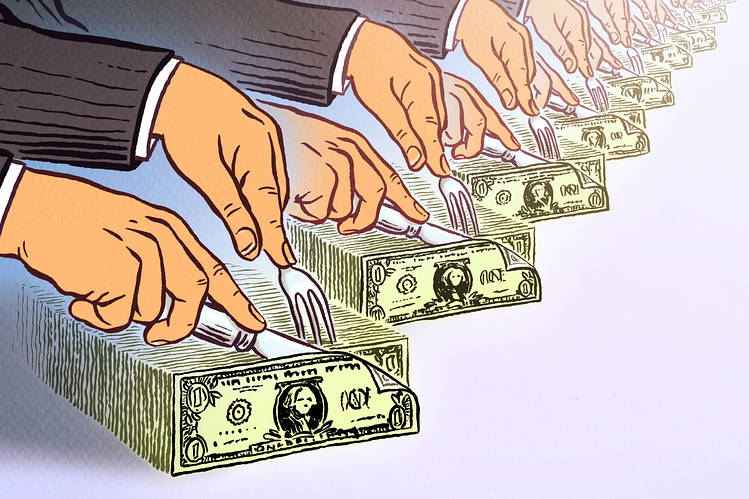
Prof. Harris analyzed bond-price quotations gleaned through Interactive Brokers Group, the deep-discount brokerage firm where he is a member of the board of directors, and trade data from the Financial Industry Regulatory Authority. He estimates that individual investors are paying bond dealers and other middlemen an average of $7.72 per $1,000 of principal value to buy corporate bonds. If you paid that much to buy stocks, 200 shares of a $50 stock would run you at least $77.20 in trading costs—instead of the roughly $10 that you would pay at most online brokerage firms.

Corporate bonds yield an average of 3.3%, according to Barclays. So Mr. Harris’s analysis suggests that trading costs consume roughly the first three months’ worth of income on the average corporate bond—assuming you pay your broker only to buy but not to sell.

Source: Huh? It Costs How Much to Trade a Bond?