Major Hollywood films like “Hunger Games: Catching Fire” and “World War Z” will be shifting from Netflix [stckqut]NFLX[/stckqut] to Hulu in coming weeks, as pay-TV channel Epix switches up its streaming partners.

The moves reflect a broader trend in the streaming-video business as Netflix Inc. continues to become pickier about paying for rights to TV shows and movies that can be found elsewhere. At the same time, a newly aggressive—yet, for content owners, more accommodating—Hulu is ramping up its content spending to challenge Netflix’s dominance.

Netflix said Sunday that it had allowed its deal with Epix to lapse at the end of September because the streaming-video company is trying to move away from nonexclusive content toward its own original programming and exclusive rights to movies.

Source: Netflix Ends Epix Cable Deal, Pulling High-Profile Films – WSJ
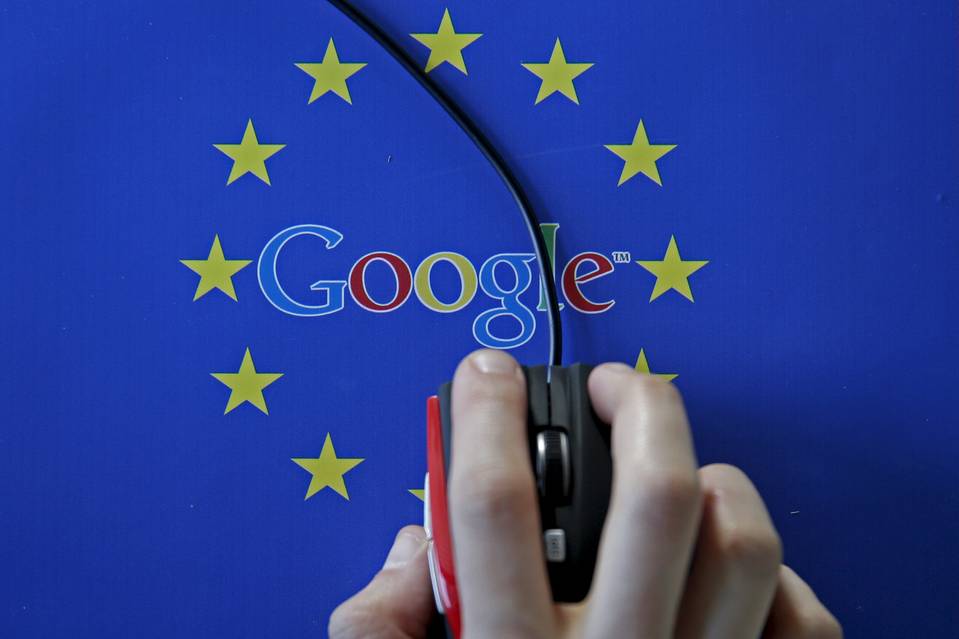
Google Inc. [stckqut]GOOG[/stckqut] on Thursday rebuffed the European Union’s demand that it change the way it ranks online comparison-shopping services in its search results, setting up a potentially drawn-out legal battle between the search giant and a regulator empowered to levy billions of euros in fines.

In a formal response Thursday to antitrust charges the EU filed this spring against the California company, Google argued the bloc’s antitrust regulators erred in their analysis of the fast-changing online-shopping business, misconstrued Google’s impact on rival shopping-comparison services, and failed to provide sufficient legal justification for its demands.

In particular, the company argues that the EU’s charges—detailed in a document called a Statement of Objections, or SO—fail to take into account the fast growth of companies like Amazon.com Inc. [stckqut]AMZN[/stckqut] and eBay Inc [stckqut]EBAY[/stckqut]. Google executives have said these firms pose a new competitive threat, which undercuts the case that Google has harmed comparison-shopping companies like Nextag and LeGuide.

Source: Google Rebuffs European Union on Antitrust Charges – WSJ

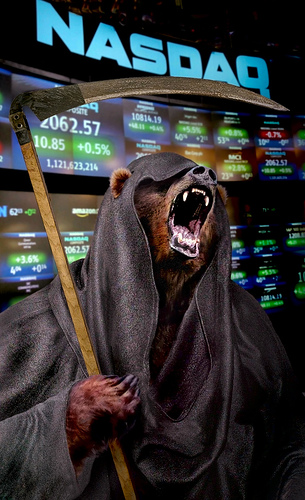
No wonder the past few days have been alarming for many. On Monday, the Dow fell 1,000 points in the morning — its largest point swing ever.

But most Americans aren’t day traders. They are in the stock market for the right reason — because they want to grow their money over many years or decades.

The smartest move in the past few days was to not panic and dump stocks. Here are 5 simple charts to get some perspective on where investors are at after these wild swings.

If you want to understand more about these topics, go to the link at the bottom of this article for the CNN Money original article.

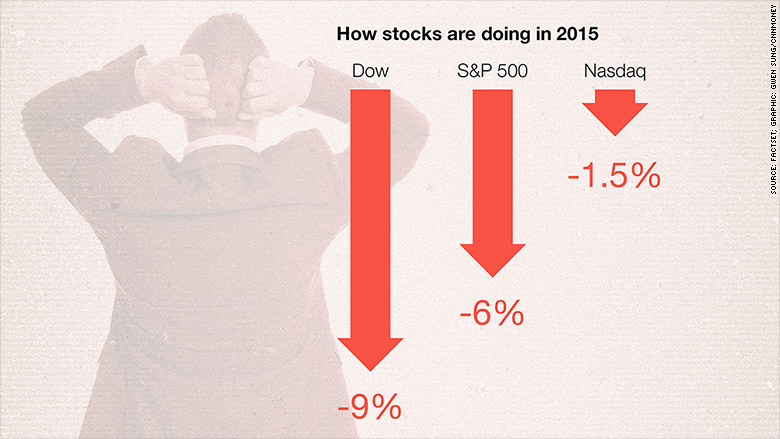
1. Your stocks are losing money in 2015

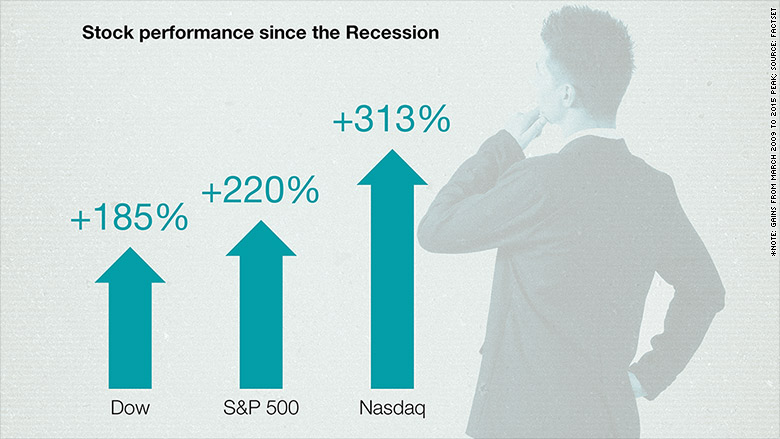
2. But you made a lot of money the past 6 years

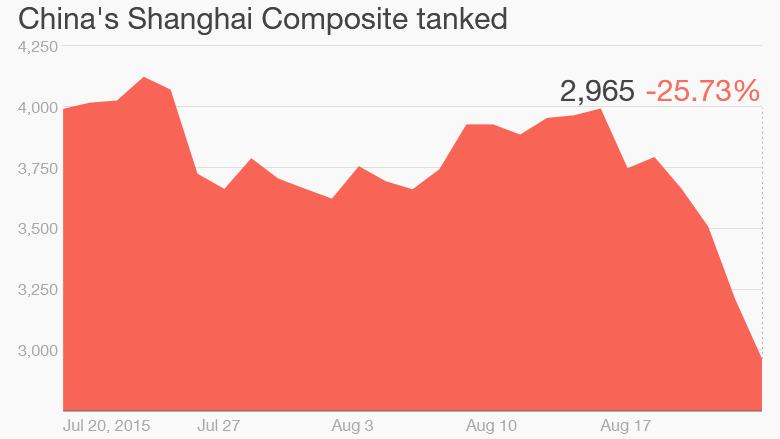
3. China is the heart of this problem

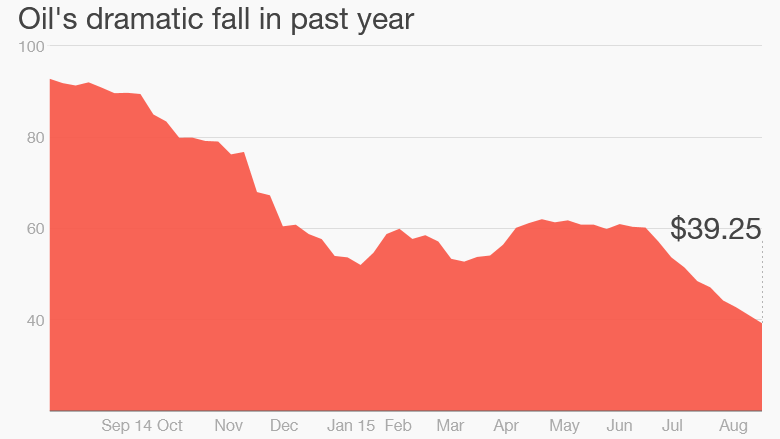
4. Oil is so cheap that some companies are hurting

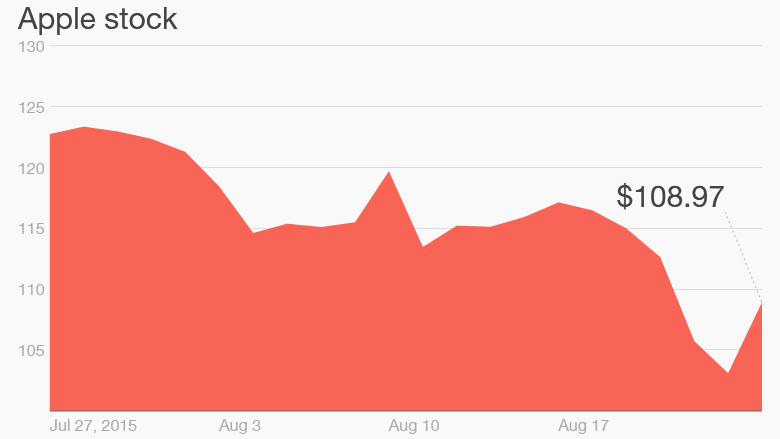
5. America’s favorite stocks like Apple are down. Maybe too much?

Source: Relax. Stocks are still up nearly 200% since 2009 – Aug. 25, 2015

A stunning slide in some of Wall Street’s biggest exchange-traded funds has market watchers speculating that computer-driven trading was the cause.

“It was entirely — in my opinion — algorithmic trading that was ruling the day, and market makers stepped away,” said Dave Nadig, FactSet’s director of exchange-traded funds. And while many have described the dramatic action as a “flash crash,” Nadig said it is “a little hard to call it a flash crash when it lasted 45 minutes.”

These brief dives could have been sparked by preprogrammed trading strategies that went to cash — and sold these ETFs way below their fair value — because the broad market was down by a certain percentage, Nadig told MarketWatch. “If you implement that poorly, you can end up just being a seller at any price,” he said.

Source: Here’s what may have caused the ‘flash crash’ in some big ETFs – MarketWatch

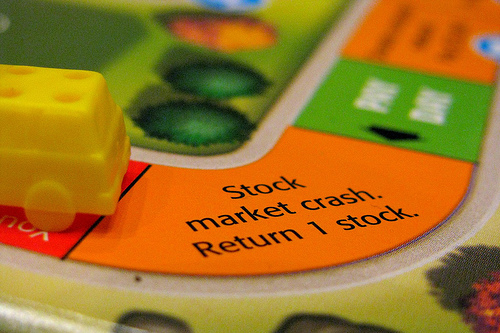
stock market crash photo


Just because we’re experiencing our first stock market correction since 2011 doesn’t mean it’s time to panic. Here are six things you should be aware of when it comes to stock corrections.

1. Stock market corrections happen often

The first thing you should know is that stock market corrections happen — and fairly often. The U.S. economy naturally peaks and troughs over time, and in response the stock market will also have its peaks and troughs.

2. Stock market corrections rarely last long

In a broader context, while a stock market correction is an inevitable part of stock ownership, corrections last for a shorter period of time than bull markets.

3. We can’t predict what’ll cause a stock market correction

A stock market correction may be inevitable, but one thing they aren’t is predictable.

4. Stock market corrections only matter if you’re a short-term trader

Another important point you should realize is that stock market corrections really aren’t an issue if you remain focused on the long-term with retirement as your goal. The only people who should be worried when corrections roll around are those who’ve geared their trading around the short-term, or those who’ve heavily leveraged their account with the use of margin.

5. They’re a great time to buy high-quality stocks at a bargain

For the long-term investor, a stock market correction is often a great time to pick up high-quality companies at an attractive valuation.

6. They’re also a good reminder to reassess what you own

Lastly, a stock market correction is a good reminder for long-term investors to reassess their holdings.

This post is based on the great content written in 6 Things You Should Know About a Stock Market Correction, you should go there to read more about this subject.

stock market crash photo

Photo by AZRainman

Photo by wsilver