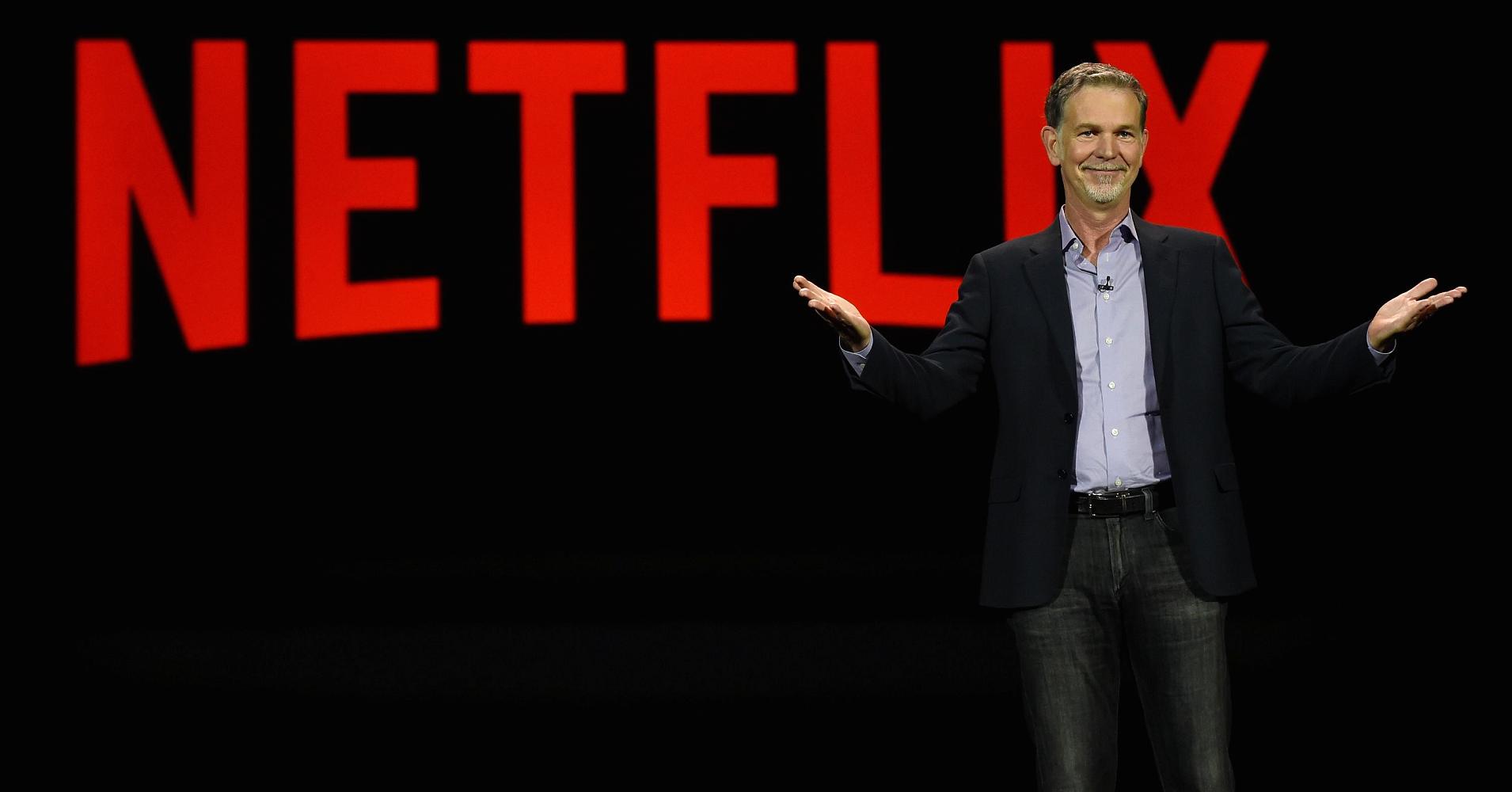
Netflix [stckqut]NFLX[/stckqut] added 5.59 million total net subscribers in the quarter, up from 4.33 million additions in the previous year. The company had 4.04 million net subscriber additions outside of the United States, easily beating expectations for 3.51 million and up from 2.43 million in the prior-year period.

“In terms of the outperformance, it was pretty broad-based,” said Netflix CEO Reed Hastings in a video call after the results.

Earlier this month, Netflix said it had expanded service to more than 190 countries. The international push comes amid increased spending on a range of original programming, which contributed to a decrease in fourth-quarter net income from the previous year.

Source: Netflix earnings: 7 cents per share, vs expected EPS of 2 cents
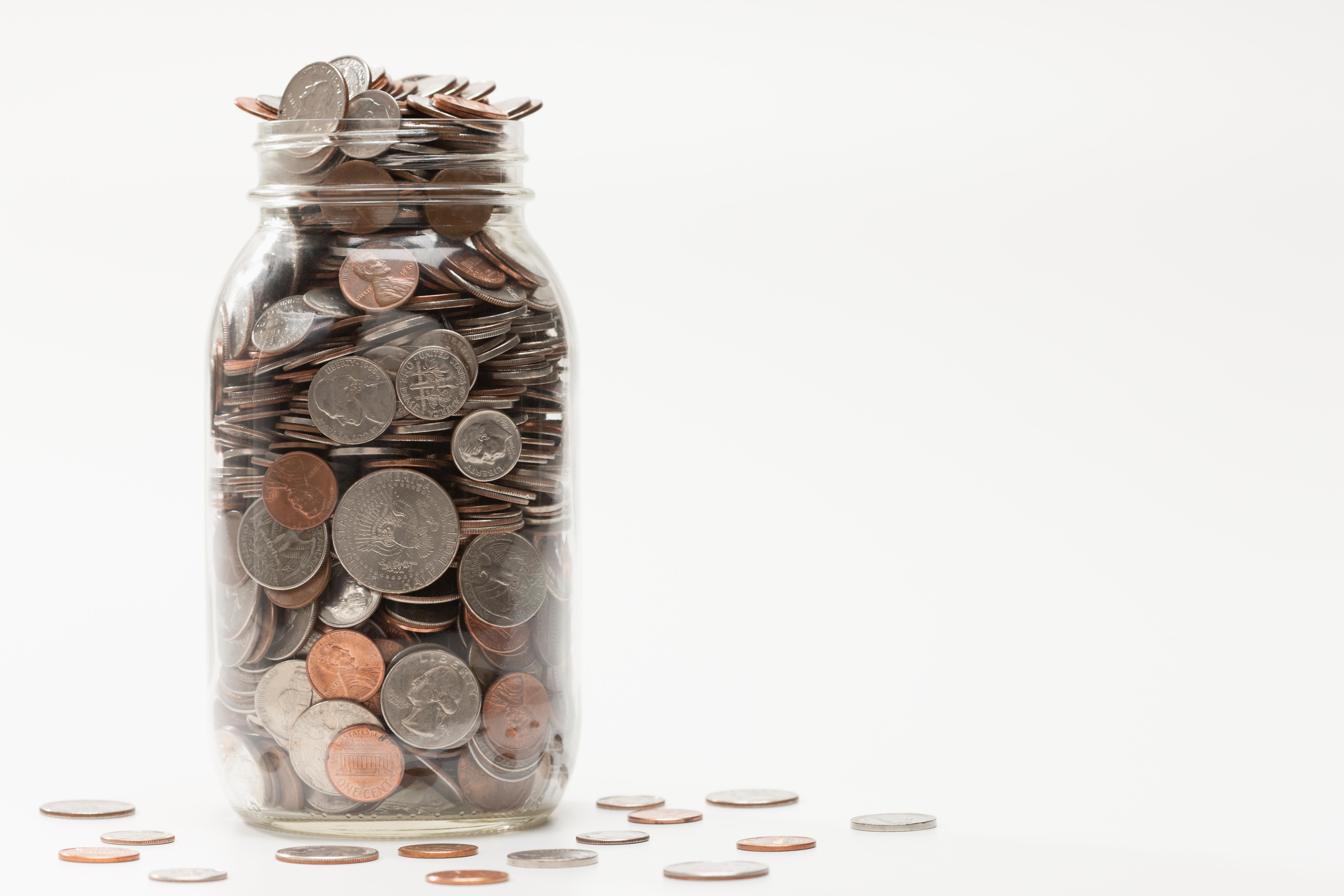
They might be better educated and more technologically savvy than previous generations, but that doesn’t mean millennials are making smart financial decisions.

Millennials are heavy users of the alternative financial system – which includes payday loans, pawnshops and tax refund advances – and reluctant to seek professional financial help.

That’s according to a recent report from tax and consulting firm PricewaterhouseCoopers and the George Washington University’s Global Financial Literacy Excellence Center. The report is based on survey results of more than 5,500 millennials (ages 23 to 35).

Cash-strapped, saddled with student loan debt and struggling to navigate a changing job market, millennials are risk-averse and wary of the stock market. That’s really no surprise, considering they came of age during the Great Recession.

When compared with other Americans, the millennial generation — those born between the early 1980s and mid-1990s — has the “lowest level of financial literacy,” the report said. Unfortunately, despite a lack of financial know-how, a mere 27 percent of millennials seek help from a financial professional.

A lack of financial literacy may explain why 42 percent of millennials took out a payday loan or auto title loan, used a pawnshop, got a tax refund advance or purchased a rent-to-own product in the past five years.

Source: 42 Percent of Millennials Are Engaging in This Risky Financial Behavior – DailyFinance

This year, on top of the $18,000 regular limit to a 401(k) plan, workers 50 and older can add $6,000 per year in catch-up contributions, which are aimed at helping individuals save enough for retirement.

Contributions are tax-free, but withdrawals are taxed as income in retirement.(Individual Retirement Accounts also allow catch-up contributions, but only at $1,000 per year, on top of the regular $5,500 limit.)

The additional 401(k) savings could amount to an additional $1,000 per month once a worker enters retirement, according to calculations done by Fidelity, one of the largest holders of retirement accounts.

Fidelity found that the average 401(k) balance of those doing catch-ups was $417,000, versus $157,000 for those who did not.

Source: Catch-Up Contributions Put Retirees Way Ahead | Money.com

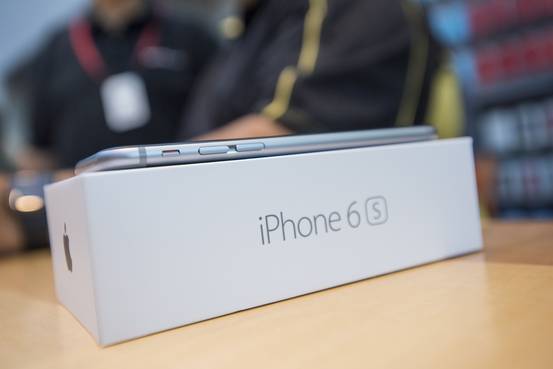
Apple [stckqut]AAPL[/stckqut] is known for brutal efficiency, regularly killing off features and products that no longer serve its purposes.

So there is irony in the fact investors have taken a similarly ruthless view of Apple itself, penalizing the company heavily ahead of what is expected to be the slowest year on record for its key product: the iPhone. Apple’s share price ended 2015 down 4.6%, marking its first drop in seven years. That selloff looks overdone, even if one accepts the prevailing view that the iPhone 6s won’t sell at a pace anything like that of its predecessor.

Consider that Apple is now the cheapest stock among the 10 largest tech companies in the S&P 500, once its huge net cash pile of $150 billion is excluded. That means Apple is cheaper than other growth-challenged giants like Microsoft [stckqut]MSFT[/stckqut], Oracle, Cisco Systems [stckqut]CSCO[/stckqut] and International Business Machines [stckqut]IBM[/stckqut].

Source: Apple Peeled: Getting Under the Skin of iPhone Worries

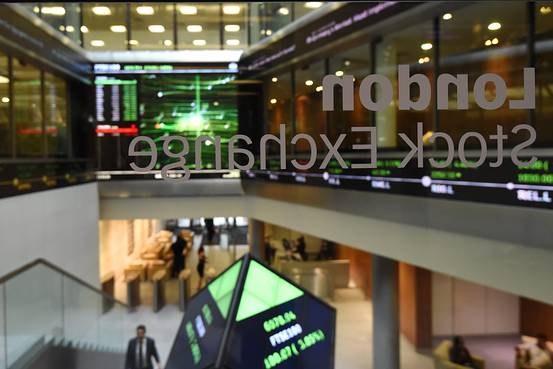
U.S. stocks had their worst annual performance since 2008, closing out a rocky year that tempered investors’ expectations for gains in 2016.

The Dow Jones Industrial Average, a basket of 30 stocks, lost 2.2% in 2015, while the broader S&P 500 fell 0.7%.

The S&P’s loss ended three years of double-digit gains for the index, but was far from the nearly 40% dive it took in 2008, a year of financial crisis.

The year wasn’t grim across the board. The tech-heavy Nasdaq Composite Index rose 5.7%. Netflix and Amazon.com, the top-performing stocks in the S&P 500 in percentage terms, rose 134% and 118%, respectively. The consumer discretionary sector, which includes stocks such as Starbucks and Expedia, led the S&P 500 with an 8.4% gain.

Source: U.S. Stocks Post Worst Annual Losses Since 2008