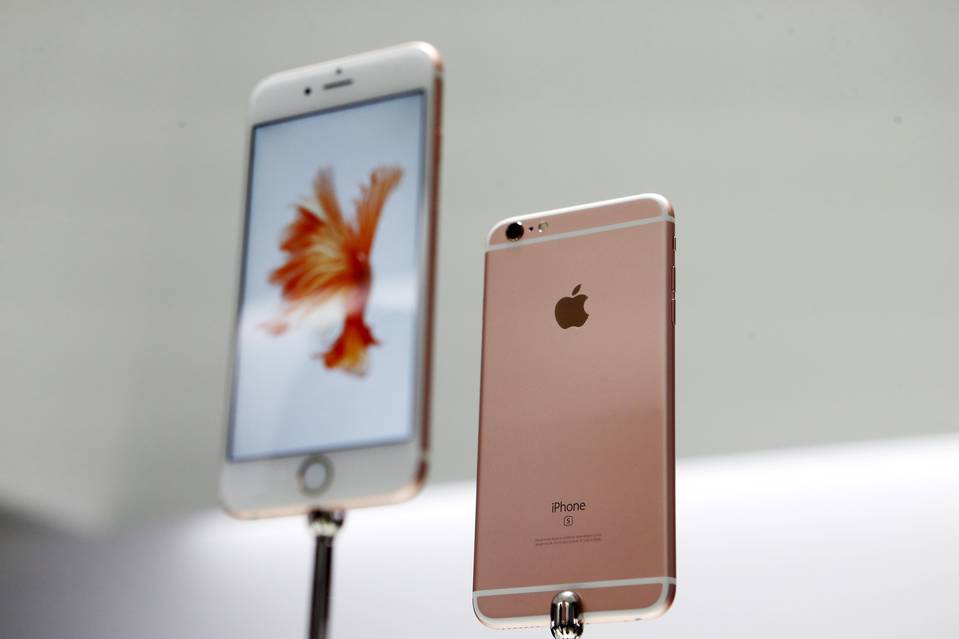
Apple Inc. [stckqut]AAPL[/stckqut] said it has sold more than 13 million iPhone 6s and iPhone 6s Plus models since their launch, up 30% from last year’s total and a record for the company.

Apple didn’t break down the sales by model or by region. Analysts, many of whom had projected sales between 12 million and 13 million, had noted that the phone’s availability in China from the launch would likely boost sales over the first weekend.

The updated phone includes enhanced battery life, a 12-megapixel camera and a 3-D Touch screen as well as a new rose-gold model. Also helping early sales, analysts said, was a longer lead-time for orders.

Mizuho Securities USA analyst Abhey Lamba said the jump from last year’s initial total of 10 million was “clearly impressive” but reflected the greater initial distribution. “Apple made its new phone available in 12 regions this time, including fast-growing China, versus 10 a year ago,” the analyst said.

Apple said Monday that the latest versions of the iPhone would be available in more than 40 additional countries beginning Oct. 9 and more than 130 countries by year’s end.

Source: Apple Sells 13 Million New iPhones at Launch – WSJ
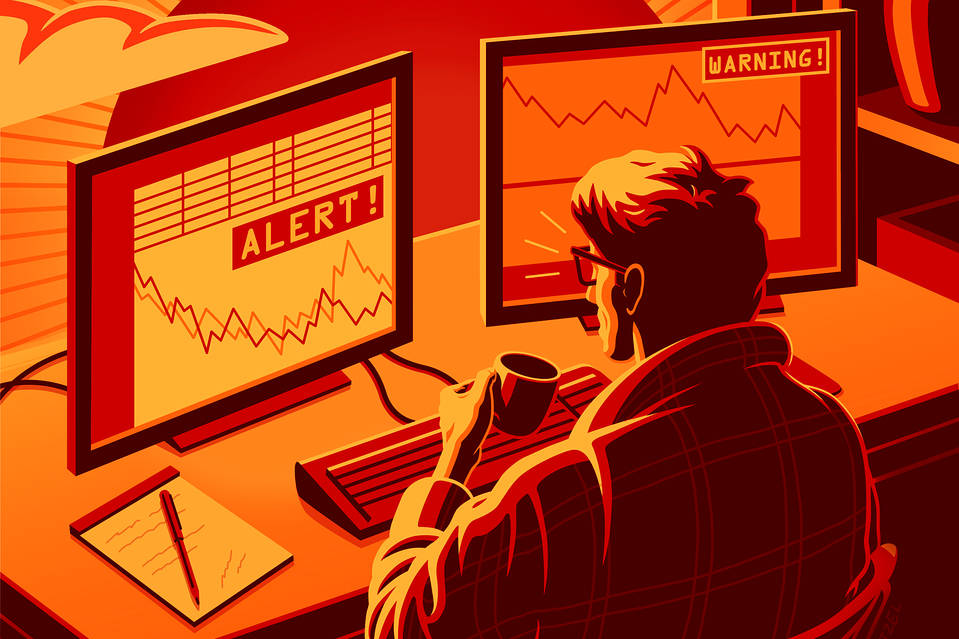
Rising stock-market volatility is proving especially costly for retail investors who typically buy and sell stocks soon after the market opens—often the most perilous time of the trading day.

Buying and selling by individual investors is especially heavy in the minutes immediately after the market opens in the U.S. at 9:30 a.m. Eastern time, when the chances of getting the best price for a stock are lower and swings tend to be bigger, traders and other market observers said.

But within minutes, the gap between the price sellers want for a stock, known as the “ask” price, and what buyers are offering, the “bid,” shrinks sharply and continues to narrow up until the end of the trading session. This quirk in the market has been amplified in recent weeks amid the big market swings.

The smaller gap, or spread, is better for investors because they are less likely to overpay for a stock or sell below the prevailing price in the market. The wider the spread, the more exposed investors are to high costs, which can erode returns at a time when major stock indexes are down for the year.

Source: Why Morning Is the Worst Time to Trade Stocks – WSJ

Given the huge sales jump Apple [stckqut]AAPL[/stckqut] delivered by upsizing the iPhone 6 last year, it is fair to expect a more moderate performance this time around. But it is also fair to wonder if investors have gotten too pessimistic about the company’s prospects.

Apple now trades at 11.5 times forward earnings, which is a 43% discount to the Nasdaq’s multiple. Excluding about $148 billion in net cash, that multiple drops to about 9.2 times. That is particularly cheap for a huge company that has racked up $50.7 billion in net earnings for the trailing 12 months—up 32% year over year.

So Apple’s stock has plenty of room for expansion, even if the new iPhones sell modestly compared with their predecessors. The broader iPhone lineup may also get some help from the fact that the ever popular iPhone 6 and 6 Plus models from last year are now $100 cheaper. Apple also made a significant update to its Apple TV box Wednesday and launched a new iPad aimed at business users.

Those may be bit players in the grand scheme of things, and Apple investors get most excited by innovation. Even so, at this valuation, iteration can have its own rewards.

Source: Bruised Apple Can Still Shine

With Yahoo Inc.’s plans to spin-out its remaining shares in Alibaba in doubt, the value of its proposed move could be more than halved by taxes. That’s especially worrisome since the value of Alibaba stock has already devalued the investment.

In January, the Internet pioneer announced plans for a tax-free spin-off of its remaining stake in Chinese ecommerce giant Alibaba Group Holding Ltd [stckqut]BABA[/stckqut] after being pressured by activist investor Starboard Value LP. The big problem was that Yahoo [stckqut]YHOO[/stckqut] did not have the tax-free status approved yet for the spin-out, to be called Aabaco.

The Internal Revenue Service denied Yahoo’s request for a ruling on the tax-free nature of the spin-off, the company disclosed Tuesday, though the agency did not fully rule that Aabaco would be a taxable entity. That leaves the impact unclear for an eventual spin-out, which Yahoo had targeted for the fourth quarter, but it is possible that the company could reconsider the move altogether or move forward in trying to receive approval for the tax-free entity.

Source: Yahoo’s Alibaba spinoff won’t be company’s savior – MarketWatch

Apple [stckqut]AAPL[/stckqut] is planning to unveil its new Apple TV set top box in a little over a week, and it looks like the company may be considering funding its own TV shows to go with its big play to dominate the living room.

The iPhone maker has held preliminary conversations in recent weeks with executives in Hollywood to feel out interest in Apple spearheading efforts to produce original entertainment content, according to a new report that claims Apple is ready to take on Hulu, Netflix [stckqut]NFLX[/stckqut], and Amazon [stckqut]AMZN[/stckqut] Prime video.

Source: Apple wants to take on Netflix with its own original programming | Cult of Mac